
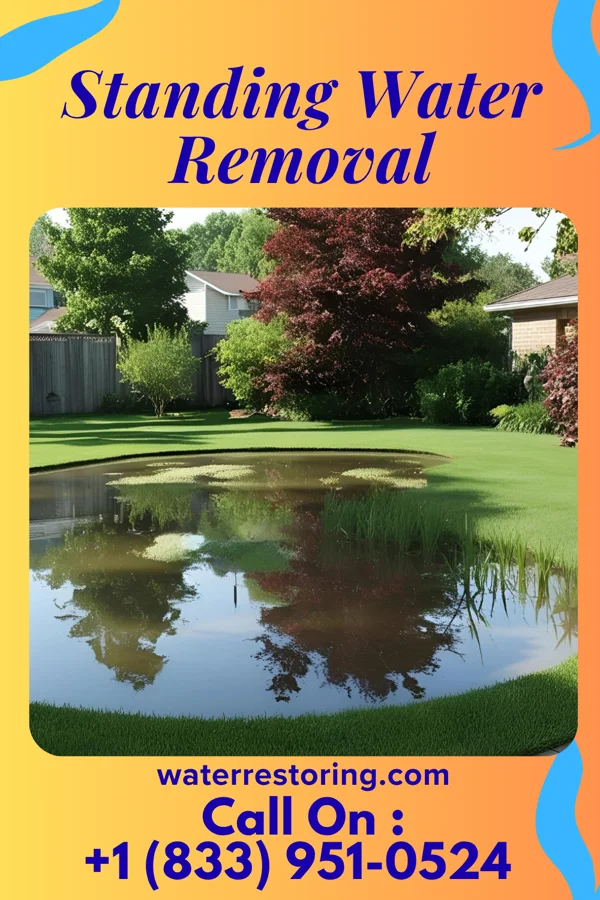
Standing Water Across Highland Beach Neighborhoods
Every neighborhood in Highland Beach has a different water damage risk profile. The one that shows up on most restoration calls is In Highland Beach, Maryland, the primary water damage cause is often related to storm surges and flooding due to its proximity to the Chesapeake Bay and tidal influences. Additionally, heavy rainfall during the spring and summer months can lead to localized flooding in low-lying areas, especially near Annapolis Neck.. A close second is Secondary causes include leaking septic tanks, burst pipes in older homes, and groundwater seepage through basements. These issues are more common in rural areas with older infrastructure, such as Mayo and parts of Annapolis..
Highland Beach experiences a humid subtropical climate, which increases the risk of mold and mildew growth after water damage. The area's coastal location also exposes it to saltwater intrusion, which can accelerate structural damage and require specialized cleaning and drying techniques.
Water damage in Highland Beach follows a few local patterns. In Highland Beach, Maryland, the primary water damage cause is often related to storm surges and flooding due to its proximity to the Chesapeake Bay and tidal influences. Additionally, heavy rainfall during the spring and summer months can lead to localized flooding in low-lying areas, especially near Annapolis Neck. accounts for the bulk of our calls. Highland Beach experiences a humid subtropical climate, which increases the risk of mold and mildew growth after water damage. The area's coastal location also exposes it to saltwater intrusion, which can accelerate structural damage and require specialized cleaning and drying techniques. Mold can develop rapidly in Highland Beach due to high humidity and frequent rainfall, making it crucial to address water damage within 48 hours to prevent long-term health and structural issues.
For public guidance on the health effects of mold after prolonged water exposure, see the EPA mold and health page.